
The Viola in the Spotlight
Rediscovered Concertos from 18th-Century Berlin
The viola was capable of being much more than an orchestral middle voice in the eighteenth century. This is impressively demonstrated by a new recording featuring the Ensemble Diderot and Johannes Pramsohler. Released under the title Viola Concertos from Berlin, the album presents five concertos from the musical circles of eighteenth-century Berlin – four of them recorded for the first time. The reviews and introductory articles published so far largely agree: this is a fascinating rediscovery that brings a little-known chapter of Berlin's musical history back to life.
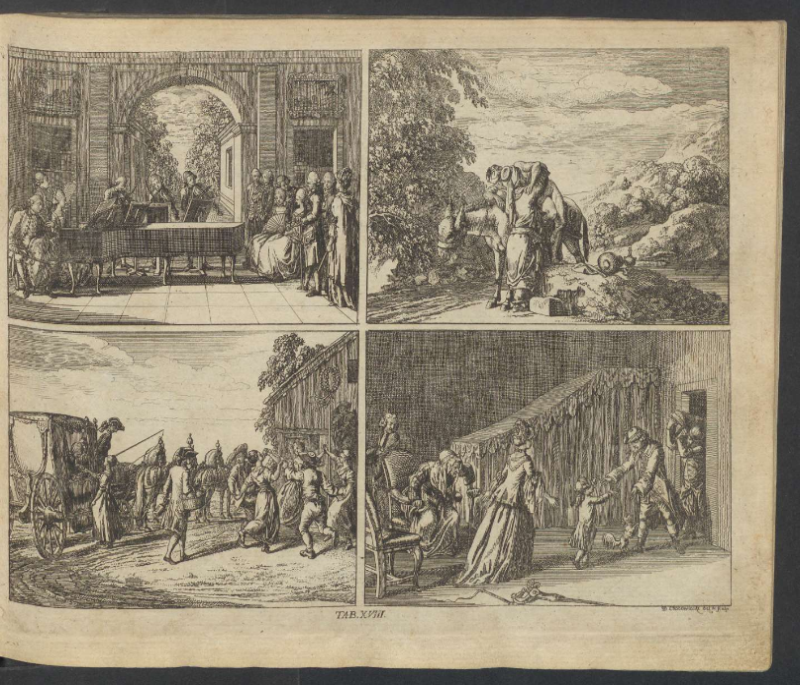
The historical background is particularly intriguing. In the eighteenth century, the viola did not enjoy the same status as the violin. Johann Joachim Quantz even regarded it as an instrument of comparatively minor importance. The rediscovered works, however, paint a rather different picture. They demonstrate that the viola was indeed regarded as a solo instrument in Berlin's musical life – both at the Prussian court and in aristocratic households and the emerging bourgeois musical societies.
Musically, the five concertos reflect the transition from the late Baroque towards the gallant and sensitive styles. Complex contrapuntal structures increasingly give way to clear forms, memorable melodies, lyrical lines and a stronger focus on the individual expression of the soloist. Yet each of the works has its own distinctive character.
Ignaz Mara's E-flat major Concerto is the shortest work in the collection, lasting around ten minutes. Its slow movement is particularly striking for its simple, song-like character and finely balanced atmosphere. Carl Heinrich Hermann Benda's concerto presents a very different side of the viola. Here the instrument is challenged much more as a virtuoso soloist, with an extensive range and technically demanding passages. One of the more detailed reviews even regards Benda's concerto as possibly the most important musical discovery on the album.
Johannes Pramsohler plays a central role in bringing these works to life. Best known as a Baroque violinist, he takes on the viola part himself for this project while also directing the Ensemble Diderot. He performs on a viola made by Leopold Widhalm in 1782. Reviewers repeatedly draw attention to the instrument's warm, distinctive sound. Pramsohler's playing is described as technically assured, elegant and highly expressive.
 The chamber-musical approach of the Ensemble Diderot has also received considerable praise. The musicians largely perform one player per part, creating a transparent and immediate sound. This allows the viola to remain at the centre without its subtle colours being overwhelmed by a large orchestral texture. At the same time, the approach seems particularly appropriate to the historical environment in which these works may have been performed.
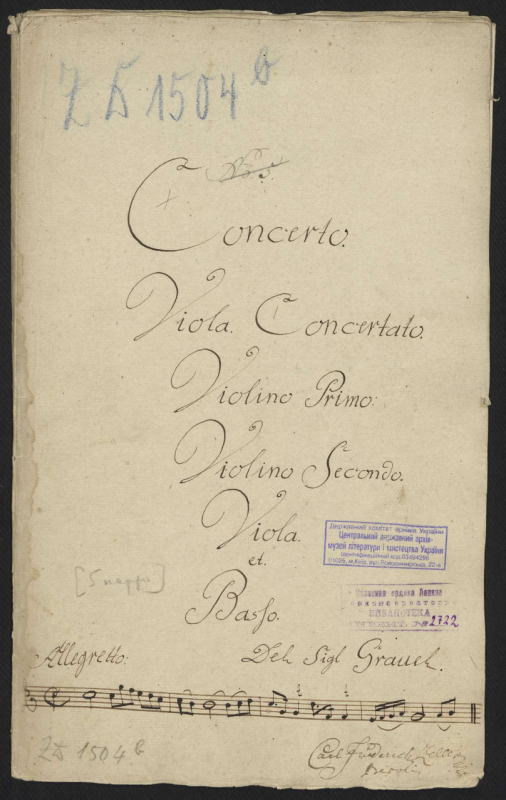
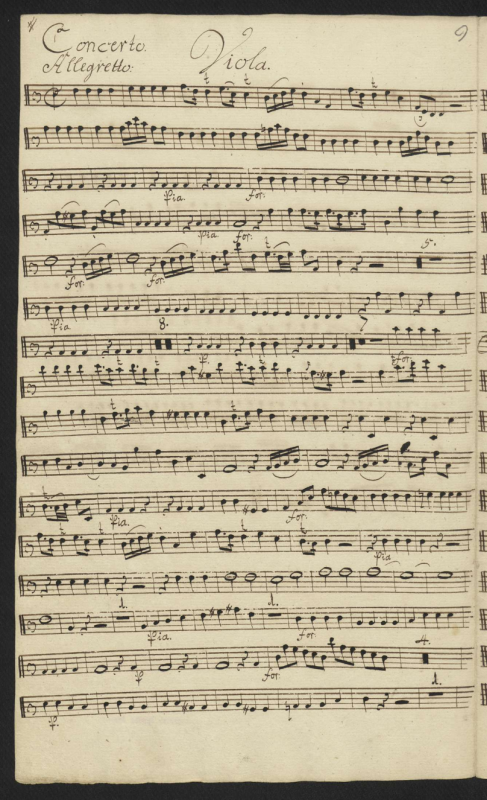
Another fascinating aspect is the connection with Carl Friedrich Zelter, the later director of the Sing-Akademie. There are indications that he himself engaged with some of these works. For example, a cadenza in the Grauel concerto is preserved in his handwriting, while the solo part of Benda's concerto is also written in Zelter's hand. These details establish a tangible connection between the rediscovered manuscripts, a skilled viola player and Berlin's musical life of the period.
The reactions published so far therefore reveal more than simple enthusiasm about the discovery of several unknown compositions. They suggest that these five concertos may broaden our understanding of the viola's role in eighteenth-century music. At the same time, they raise the possibility that some of these works could eventually find a lasting place in today's repertoire. The two Grauel concertos and Benda's concerto in particular have been identified as promising candidates for future performances.
Viola Concertos from Berlin is therefore not merely a successful new recording. It is also a striking example of the musical value of rediscovering historical sources. Music that once existed only in forgotten manuscripts can once again be heard – and in these works, the viola takes a long-overdue place in the spotlight.
Mark Walder
Add comment
Rediscovered Concertos from 18th-Century Berlin |
Piano reduction» to the edition
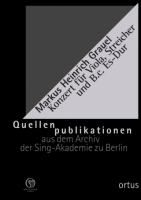
Piano reduction» to the edition
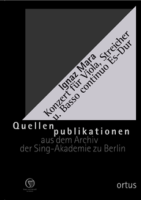
Piano reduction» to the edition
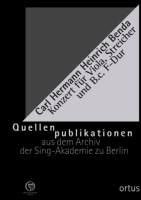
Concert F-major
Piano reduction
» to the edition
You can find viola music to download here.
Viola Newsletter |
 Do you don't want to miss any news regarding viola anymore? Our monthly viola news letter will keep you informed.
» Subscribe to our viola letter for free
|
|
 Visit us on Instagram and don't forget to join our music community and share your thoughts about the composer or any other viola-related ideas!
» Music4Viola on Instagram
|
|
 Visit and like us on Facebook. The news articles are also posted.
» Music4Viola on Facebook